
Meet the Major: Nursing with Nancy Leahy and Jaime Hupp
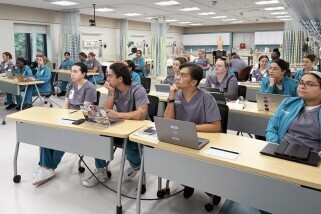
Today’s nurses need to be tech-savvy, but some of the most important skills they bring to the job are decidedly human. As nursing evolves alongside emerging technologies like AI and advanced simulation, traits like communication, adaptability, accountability, and compassion remain essential to providing exceptional care. In this edition of Meet the Major, learn how Brightpoint is fusing technology and human connection to prepare nursing graduates for whatever comes next.
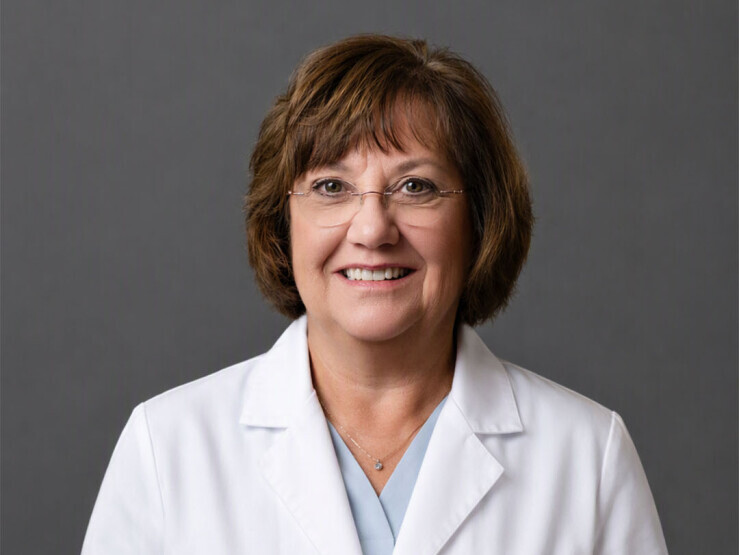
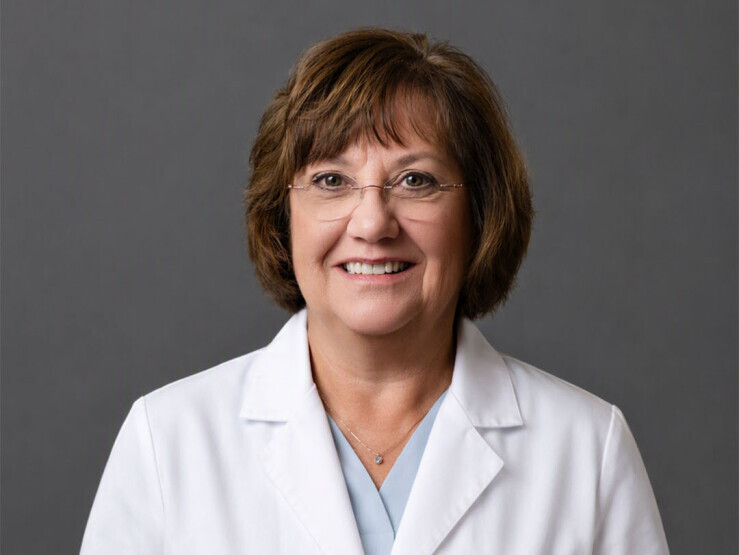
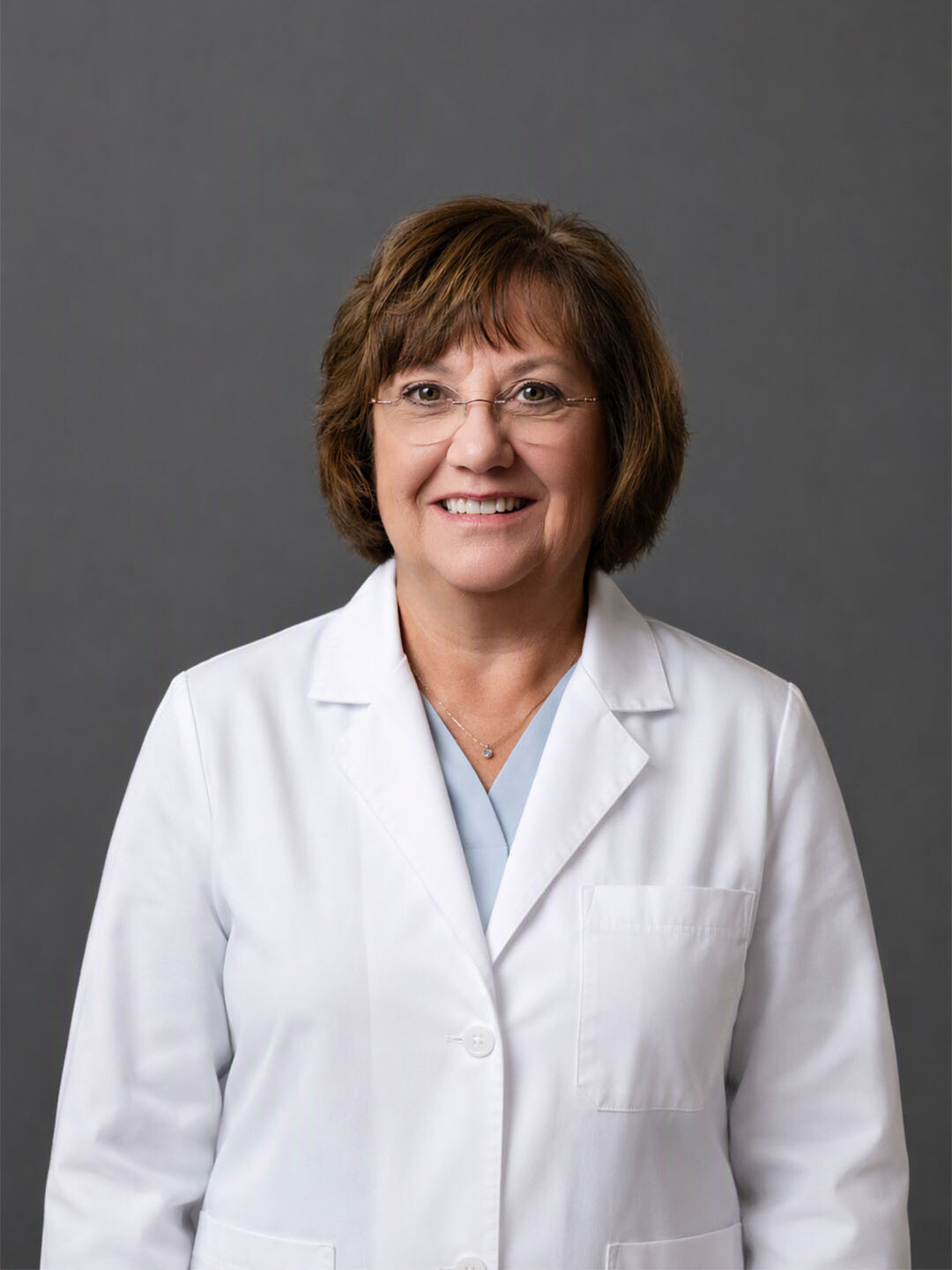
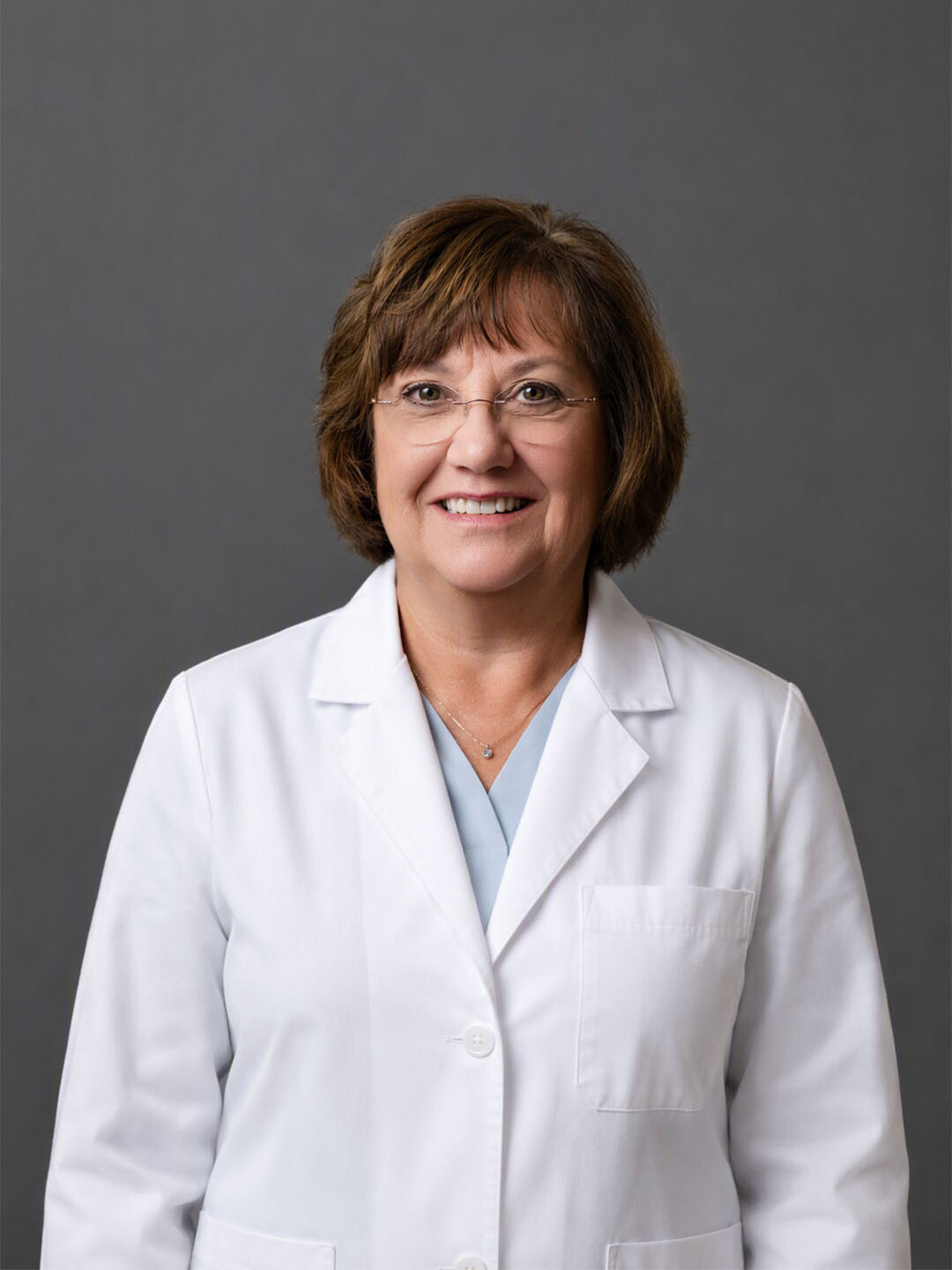
Dr. Nancy Leahy, PhD, RN, CHSE, is associate dean of Nursing and Allied Health at Brightpoint Community College. A registered nurse and Certified Healthcare Simulation Educator, she brings extensive experience in nursing education, simulation and healthcare workforce development, helping prepare students for successful careers in an evolving healthcare environment.
Jaime Hupp, MSN, RN, is the simulation coordinator for Nursing and Allied Health at Brightpoint Community College. Through simulation based learning and emerging technologies, she helps nursing students develop the clinical judgment, communication and technical skills they need to enter the profession prepared for today’s healthcare environment.
Q: What’s happening in nursing education right now that you find especially exciting?
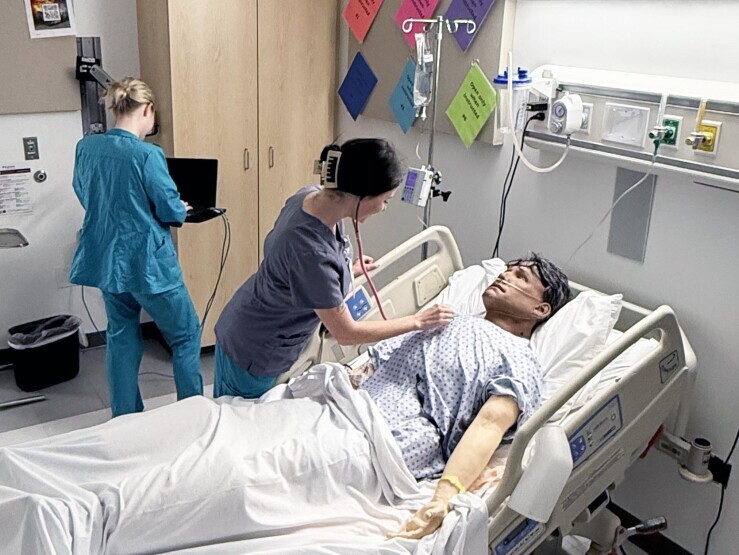
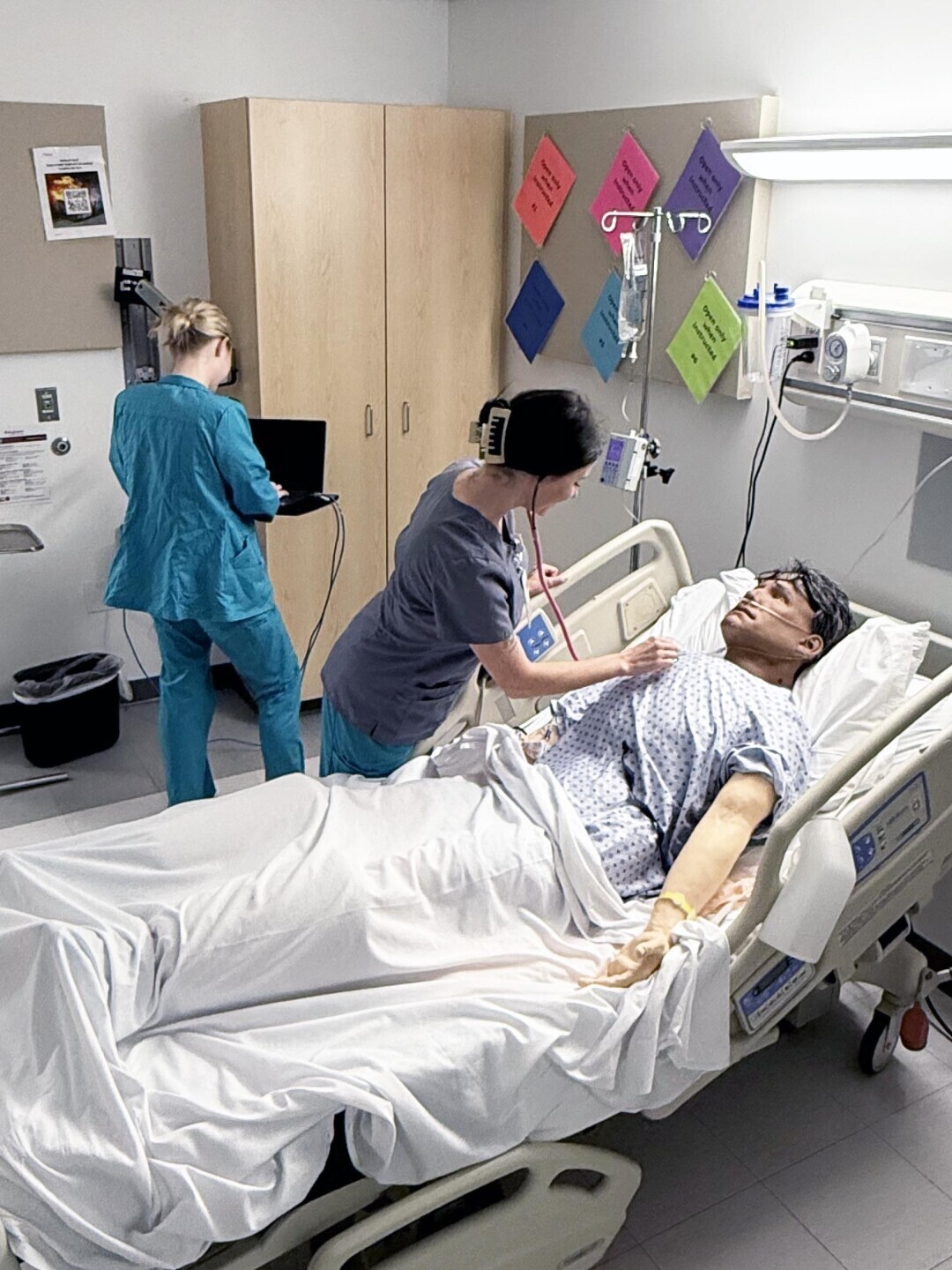
Leahy: What’s exciting in nursing education is the integration of simulation. There’s a lot of new technology coming out, and we try to stay ahead of it. In fact, we’re investigating some equipment that we’re going to place on a wish list.
It’s a great combination of feeling like you’re contributing to the profession, upholding the standards of the profession and teaching it forward a little bit. It’s fun to have all the technology to help us do that.
Hupp: I think it’s the technology piece for me that’s exciting because students have a different perspective now than we did when we went to school. With things like telehealth, we’re trying to come up with ways to incorporate that here so students can learn it before they see it in the field.
Q: What part of this subject matter could you happily talk about all day?
Hupp: Again, I think it’s the technology piece. We have so many things out there. We both just got an email about incorporating AI into the mannequins so that they can respond to the students.
All of the different ways we can incorporate technology into the classroom and clinical are endless. I could really go on forever about it.
Leahy: I think people who come to teach nursing are surprised by nursing education because a lot of the people we hire went through an older style of nursing education, and it’s completely changed.
The challenge is onboarding people because there’s a lot to learn about how we teach. It’s not just clinical teaching or simulation. We also use electronic health records because students need to learn how to use those. We have a program called Shadow Health, which gives students a digital patient to interview. They have a weekly assignment and work with the same patient throughout the whole semester when they first start here.
We have digital textbooks with embedded AI technologies that allow students to create their own testing questions and things like that. With all that technology, you really have to be someone who is willing to learn something new.
A lot of faculty come here after being nurses for 20 years. They’re experts in the clinical setting, but they’re shocked when they see what’s going on behind the scenes.
We have a program called Shadow Health, which gives students a digital patient to interview. They have a weekly assignment and work with the same patient throughout the whole semester when they first start here.


Q: What skills do students develop at Brightpoint that they may not realize employers or four-year colleges are looking for?
Leahy: Communication and how to receive feedback. We have a lot of students who are attending college for the first time. Some are older. Some are younger. But, they all need practice with the types of communication skills they’ll need to be successful in practice.
We provide that through simulation. They have to learn how to call a physician, receive orders, call for help if they need it, and communicate therapeutically with the client.
There are lots of things that are a little bit unique to nursing, and if you don’t have good communication skills, there’s no way you’re going to be a good nurse. Nursing today involves a lot of collaboration, and nurses are usually at the center of that. You have to develop really good communication skills.
Hupp: I would also say accountability and adaptability, because there are so many different schedules to keep between class, clinical and simulation. Students have to be organized and accountable for where they need to be, when they need to be there and getting things in on time. Being timely is incredibly important in nursing. Patients can’t wait.
Professionalism is a challenge because it’s something that’s really hard to teach. Students may start out thinking that we’re overly strict or overly rule based, but by the time they finish, I think they realize those skills are needed in nursing.
Everything we do is based on creating nurses who are going to be practice-ready and safe. We don’t want to educate nurses who don’t understand the importance of professionalism, accountability, and especially, patient safety.
Everything we do is based on creating nurses who are going to be practice-ready and safe. We don’t want to educate nurses who don’t understand the importance of professionalism, accountability, and especially, patient safety.

Q: Can you share an example of a partnership, internship or project that connects students with the professional world?
Leahy: We just received an Earn to Learn grant. The grant allows us to precept our students in clinical facilities, and they get paid while they’re completing their clinical experience. They also get hired by the facility.
One of the challenges in this program is that many of our students are working adults. They have to work. They’re supporting themselves and maybe family members as well. Some of them have two or three jobs, and they barely have time.
We had one student last semester who worked six days a week. It’s very difficult to be successful with that schedule, and we understand that financial need. By providing students with pay while they’re in clinical, we’re hoping they can devote more time to learning and have a better transition into practice.
We’re working with TriCities Hospital on that initiative.
Q: What’s something your students have taught you?
Hupp: How to be flexible. That comes with the nature of the job, but I’ve learned to be a little more flexible. Technology doesn’t always work the way we want it to. Things happen. Weather happens. I would say flexibility.
Leahy: I’ve learned to be a little more compassionate because of some of the stories we hear from our students, the challenges they have, where they’ve come from and where they’re trying to go. It’s really inspiring to help them on that journey.
Our students may be dealing with homelessness, food insecurity or a history of abuse. It can be really hard to give up what you’re used to, maybe time with family or a job, to come and do this. Once you’re in a nursing program, it really is very demanding.
I think I’ve become a little more compassionate toward that. In the old days, it was, “These are the rules, and you follow them because we tell you that you have to.” Now, we need to look at every situation individually and try to find support for that person because a lot of our students need it.
We work with the Dean of Students Office several times a week, referring people to resources. It has become more and more challenging to help students balance work, family and coming to college.
Q: What could be next up for someone who chooses this major?
Hupp: The possibilities are endless. We have lots of students who are co-enrolled and getting their bachelor’s degree at the same time. You could get a bachelor’s degree or a master’s degree. We have a lot of students who want to become nurse practitioners. A couple of semesters ago, we had a cohort where a lot of them wanted to get into med spas.
Nursing is one of those careers where there are so many different things you can do. Half of my cohort from nursing school now works for insurance companies.
The possibilities really are endless. If you can think of it, usually there’s a nurse involved. There was an ad on one of the job websites the other day from the FBI looking for nurses.
Leahy: You really could do anything. There’s a lot in the literature about burnout, but I always tell students that if you’re burned out, you’re the one who needs to recognize that. There are plenty of opportunities to move if you’re not happy.
I think it’s important for students to recognize that a lot of their career choices are really up to them. If they choose to stay in a situation that makes them unhappy, there are lots of other options. They need to recognize when it’s time to make a change.
This interview took place September 3, 2026. It is a part of the new Meet the Major digital series featuring the people who drive Brightpoint's academic programs and are shaping the future of our region's workforce. Brightpoint offers a wide-range of Health Sciences programs, including several options for studying nursing.
Related News
View All News-

When artificial intelligence meets community focus, technology transforms from an abstract concept into a tool for real-world change. That's just what happened at the recent AI Hackathon for Good at Brightpoint's Midlothian Campus.
-
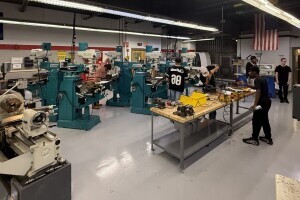

When Dustin Bell was 14, he watched his father, Les, work in a machine shop. Today, the father and son are teaching the trade together at Brightpoint, carrying machining into the next generation. And while the technology has evolved, the need for skilled machinists hasn’t. From the cars we drive and aircraft we fly to medical devices and everyday items, machining is behind more of our world than most of us realize. In this edition of Meet the Major, Dustin and Les share what keeps them excited about the field and why they believe it continues to offer students a challenging and rewarding path forward.
-


Whether you’re starting fresh or keeping your momentum going, there’s still time to sign up for fall classes kicking off on October 19 at Brightpoint. Our second 7-week session gives you a simple way to keep moving forward before the end of the year.
-