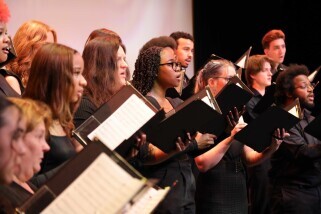

Meet the Major: Music with Dr. David Guthrie
What does it take to turn a love of music into something more? At Brightpoint Community College, students are discovering that studying music is about more than learning notes and performing on stage. It takes dedication, creativity and a willingness to grow. In this edition of Meet the Major, Dr. David Guthrie, professor of music and head of Brightpoint's music program, shares how his lifelong passion for music shaped his career, the moments that make teaching rewarding and how Brightpoint helps students build a foundation for their next steps in music.
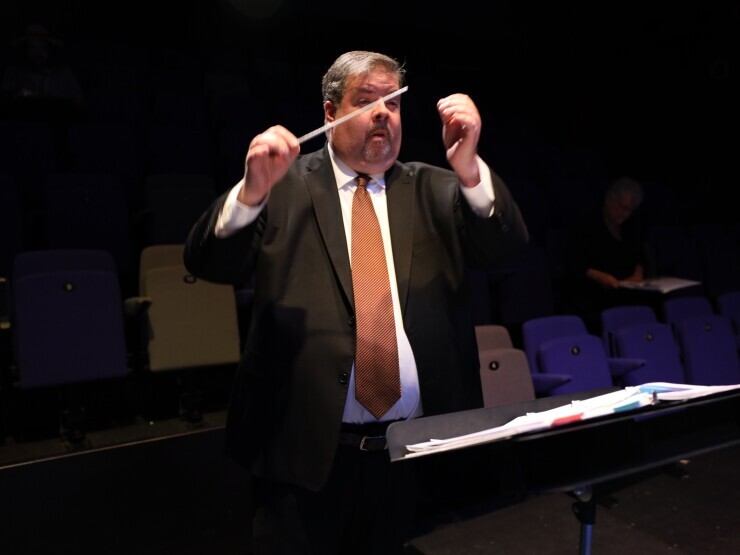
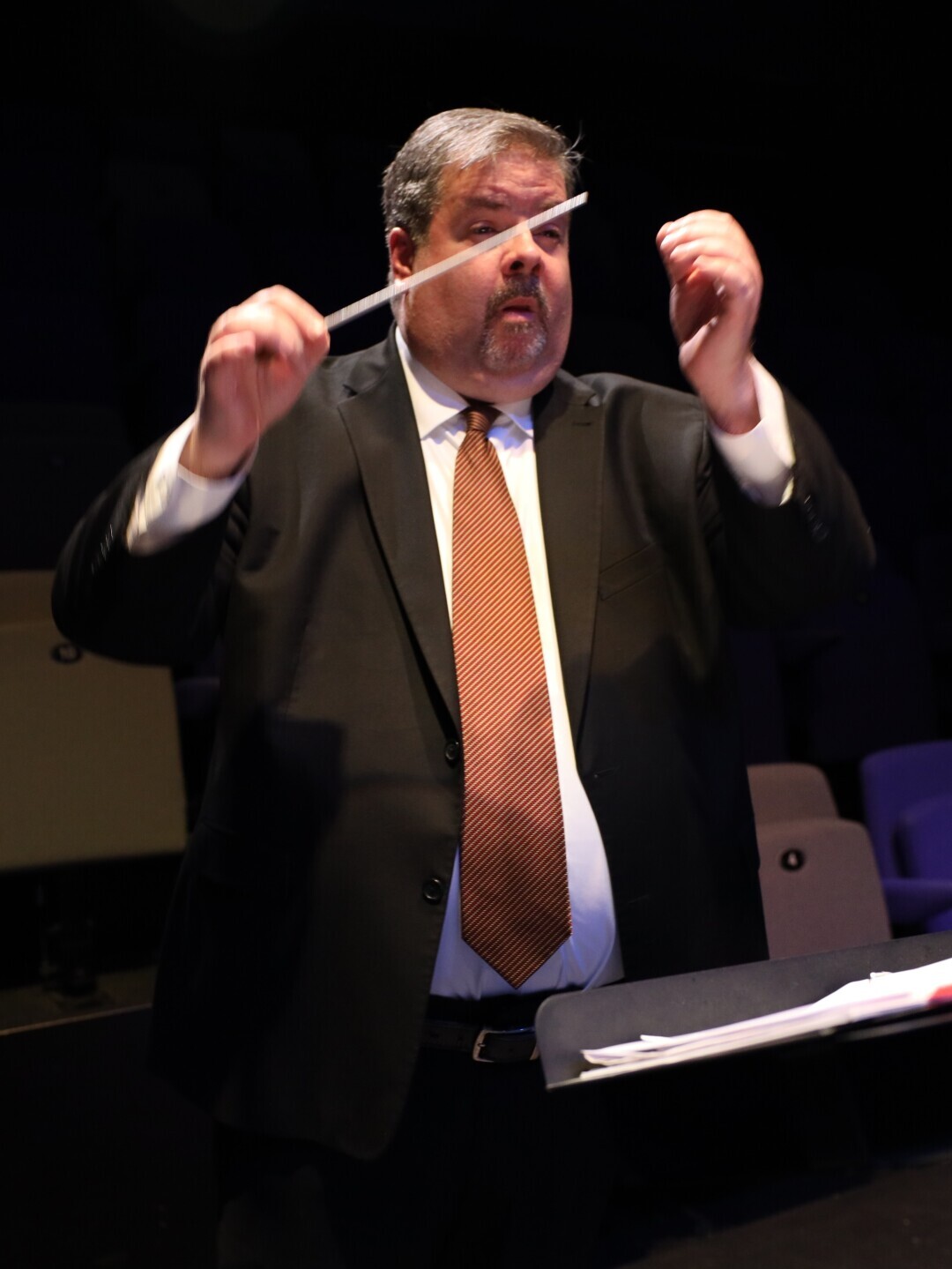
Dr. David Guthrie is professor of music and head of the music program at Brightpoint Community College. With a lifelong passion for music and performance, he helps students build a strong foundation in music theory, piano and performance. Through hands-on instruction and dedicated mentorship, he prepares students to continue their education at four-year institutions and pursue opportunities in a variety of music-related fields.
What's something about your field that most people would be surprised to learn?
Guthrie: I think maybe the amount of work that's involved to be successful. I know that's a given with any field: if you want to be good at something, you have to be dedicated to it.
But I think with music in particular, a lot of our incoming students view music as a really fun hobby, and they find out that there's the possibility of majoring in it as well. But it's kind of an eye-opener once they start, because there is so much work involved.
You have your academic classes, but you also have so much practice time. You have practice for your individual lessons as well as for your theory classes and other music classes.
So, I think a lot of people are surprised that we don't just view music as fun entertainment, which I think it is, and that's wonderful. I hope we continue as musicians to provide that. But it takes a lot of work and dedication to be successful in this field, and you have to understand that from the beginning.
What first made you interested in this field? Was there a particular person, experience, or moment that hooked you?
Guthrie: I think I was drawn to music from a very early age, even as a young child. I took piano lessons growing up, and I just loved it. I loved listening to music. I loved performing music.
My parents used to talk about how, when we would get home from school every day, we would grab our snacks and run. And what would I do? I would grab a snack and run to the piano just to start playing. I loved picking things out by ear.
When it came time to graduate high school and take a serious look at what I wanted to do, I thought, "I have to do music." It's just ingrained in me. I can't imagine myself doing anything else.
I'll also say I think that comes from family a lot. Music played an important part in my family growing up. My mom and dad both love music. They both love singing. Family get-togethers were often marked by everybody getting together and singing songs.
I have extended relatives who also went into the music business. So I think it's just a part of my heritage.
So, I think a lot of people are surprised that we don't just view music as fun entertainment, which I think it is, and that's wonderful. I hope we continue as musicians to provide that. But it takes a lot of work and dedication to be successful in this field, and you have to understand that from the beginning.
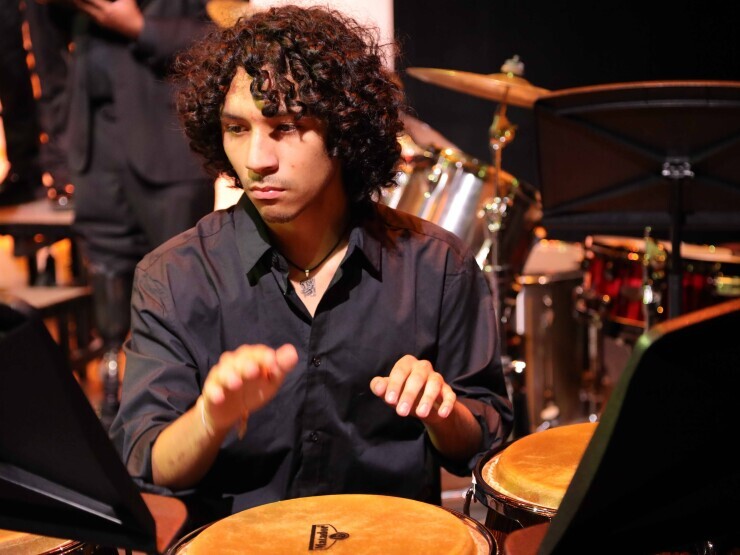

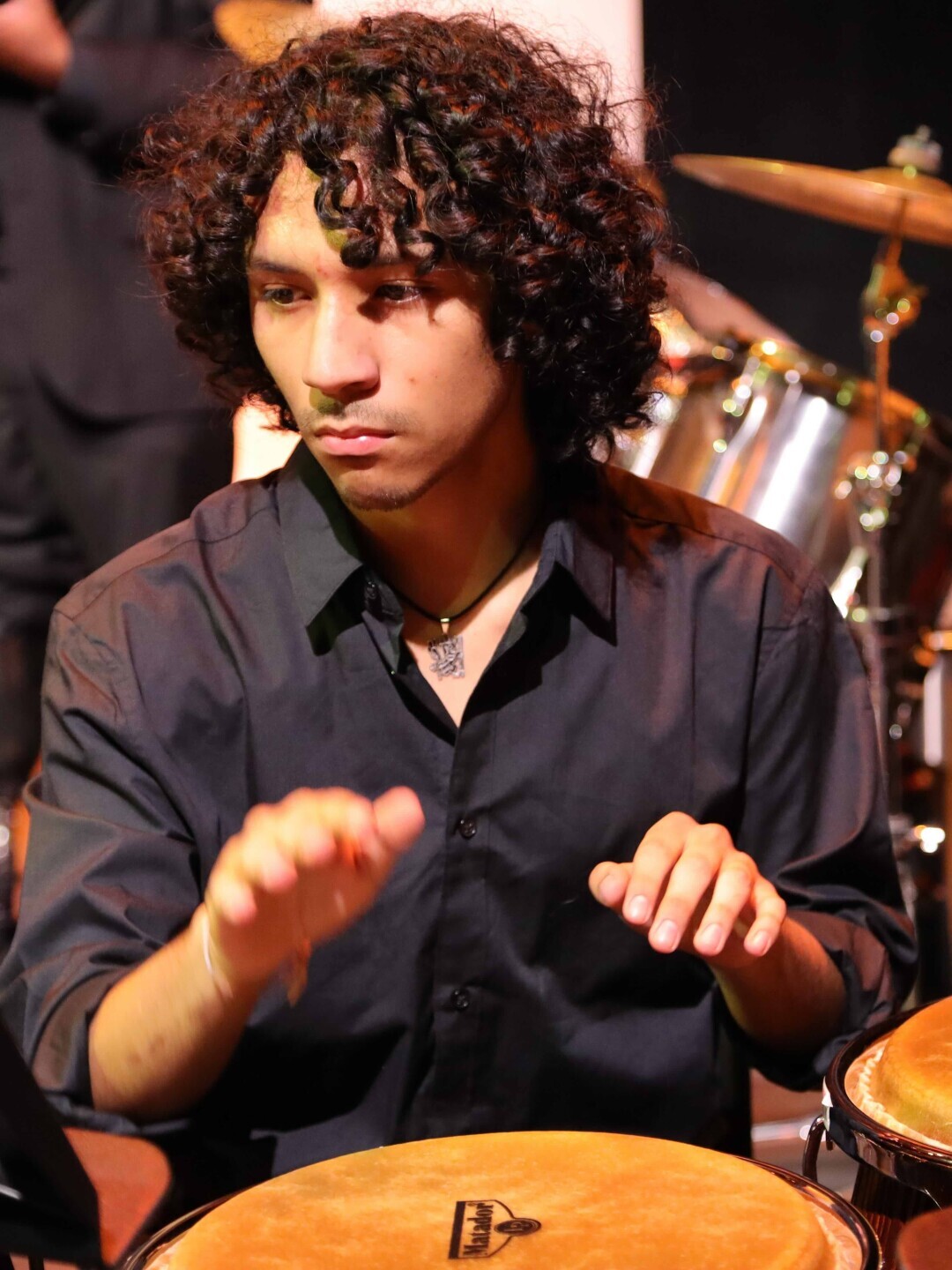
What's something that students have taught you?
Guthrie: Maybe to enjoy the moment.
As an academic, as a professor, as a teacher, I think our lives are geared so much toward the academic calendar and deadlines. We've got these program requirements, and we have to meet this, that, and the other.
Sometimes it's very easy to lose sight of the fact that I feel so privileged to be a musician and to teach music.
When I see a student in one of our music classes who is putting in the hands-on experience of learning to play their instrument and learning to provide that enrichment for others as a performer, I see the joy that brings them, and it makes me relive that as well.
For years, being a performing musician and learning to read music and perform, I often lose sight of how rewarding it can be when you're first gaining some of those skills along the way.
When I see that in students, it causes me to relive that.
What could be next up for someone who chooses this major?
Guthrie: Our major is designed as a transfer degree. It's really not meant to be a means in and of itself. It's designed as a transfer to a four-year school, specifically to major in performance.
The music field is so broad and vast. There's music production, music education, music recording, and music business. We are specifically geared toward performance.
Ideally, a student would start their first two years with us and then transfer, continuing in a performance degree.
But with that being said, we still get many students for whom performance isn't their end goal. They just want a really good, strong foundation in music before they go into business, music therapy, or music production.
Students can absolutely get that with us.
I've also had plenty of students who just took the two years, and that was it. They just wanted to gain more musical knowledge, and then they continued in their chosen career and profession.
It depends on each individual student, but ideally, we'd love to see students continue, transfer to a school, and pursue performance or at least some music-related field.
When I see a student in one of our music classes who is putting in the hands-on experience of learning to play their instrument and learning to provide that enrichment for others as a performer, I see the joy that brings them, and it makes me relive that as well.

What's a moment you've seen a student surprise themselves with what they're capable of doing?
Guthrie: I think when we look at the requirements of some of our classes that are built into the music degree, when students meet those expectations and goals, for some students, it's an eye-opening experience.
They say, "Okay, this seemed very daunting at first, but I've been able to accomplish this, and because of this goal, I'm a musician. I'm making music."
A specific class that I teach is Class Piano, and all of our music majors are required to take that unless they're able to test out of it.
If they come to us as a musician and they play guitar, or they sing, or they play violin, but they've never touched a piano, it can be daunting putting hands together and reading two lines of music at once.
But we require all of that because it's foundational to other music classes.
When I see students step up and realize they can do this, as long as they put in the practice, work, and effort, it's very fulfilling.
I can't think of one particular time because I've seen that many times in Class Piano.
Where might someone encounter this field in everyday life without realizing it?
Guthrie: I think music is ingrained as a part of our everyday life. We're exposed to music all the time, and we have so many resources. Whether it's part of television, movies, or entertainment, we're listening to music passively.
Many of our students, maybe not even music majors, but students who are taking music classes on the side, walk away from these classes with a new level of understanding and appreciation, and maybe a broader taste in what's out there.
Since music is already a part of their everyday life, it's enriching so many other aspects of their life.
They, in turn, can translate that to teaching someone else about their instrument, or maybe they're making music in a worship setting or some kind of communal setting.
I hope they gain that experience with us.
This interview took place in October 2026. It is a part of the new Meet the Major digital series featuring the people who drive Brightpoint's academic programs and are shaping the future of our region's workforce. Brightpoint offers a wide-range of arts and communication degree, including a music program.
Related News
View All News-

When artificial intelligence meets community focus, technology transforms from an abstract concept into a tool for real-world change. That's just what happened at the recent AI Hackathon for Good at Brightpoint's Midlothian Campus.
-

When Dustin Bell was 14, he watched his father, Les, work in a machine shop. Today, the father and son are teaching the trade together at Brightpoint, carrying machining into the next generation. And while the technology has evolved, the need for skilled machinists hasn’t. From the cars we drive and aircraft we fly to medical devices and everyday items, machining is behind more of our world than most of us realize. In this edition of Meet the Major, Dustin and Les share what keeps them excited about the field and why they believe it continues to offer students a challenging and rewarding path forward.
-


Whether you’re starting fresh or keeping your momentum going, there’s still time to sign up for fall classes kicking off on October 19 at Brightpoint. Our second 7-week session gives you a simple way to keep moving forward before the end of the year.
-


For Kerrigan Sullivan, it started with a magic moment. She was about five years old when her mom took her to see a play. Sullivan remembers being completely swept up in the experience. By six, she had landed her first role. Today, as a professor of theatre and chair of Brightpoint’s Department of Performing Arts, she helps students create those magic moments for others.